
Event: Agentic AI Conference
Location: Omni Hotel, Arizona State University
Session: ASU Next Lab and Westmont College Center for Applied Technology (CATLab)
At the Agentic AI Conference hosted by Arizona State University, ASU Next Lab and Westmont College’s Center for Applied Technology (CATLab) led a joint, program-listed session focused on student-led approaches to agentic AI in education.
During the panel, the discussion moved beyond tools and technologies toward the ethics, agency, and pedagogy behind AI.
The shared goal: building AI systems that empower students not just as users, but as co-creators of innovation ecosystems. Through cross-institutional collaboration, both labs are prototyping what equitable, human-centered AI education can look like.
“Innovation in education happens when students are not just learning about the future — they’re building it.”
Session participants
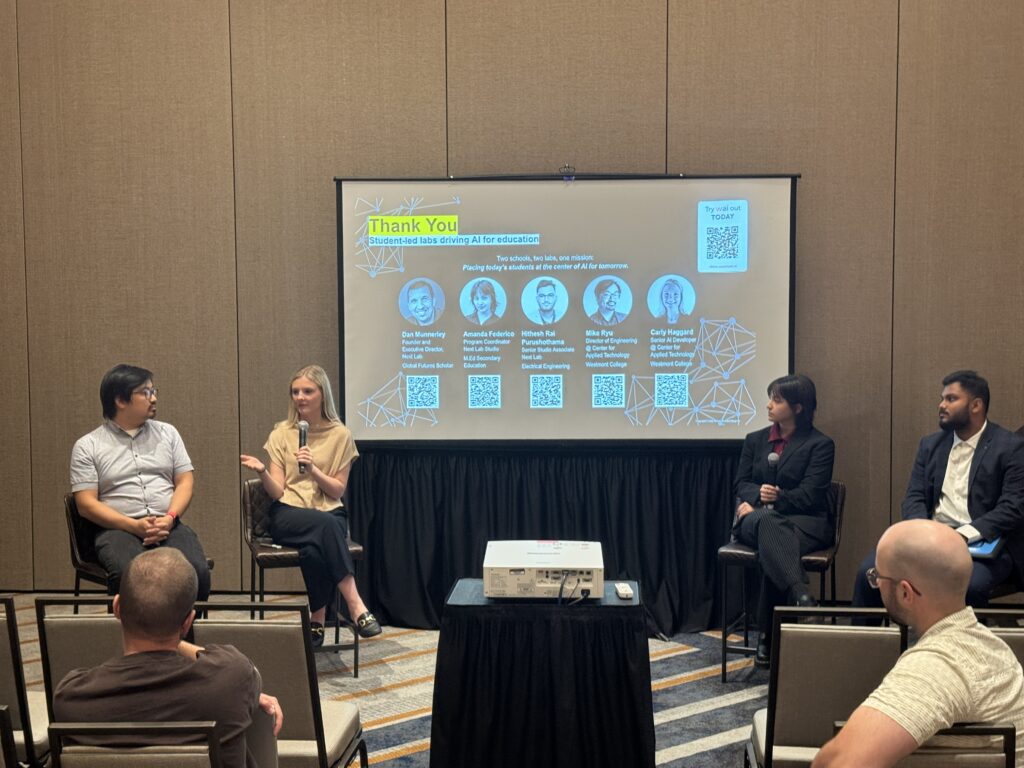
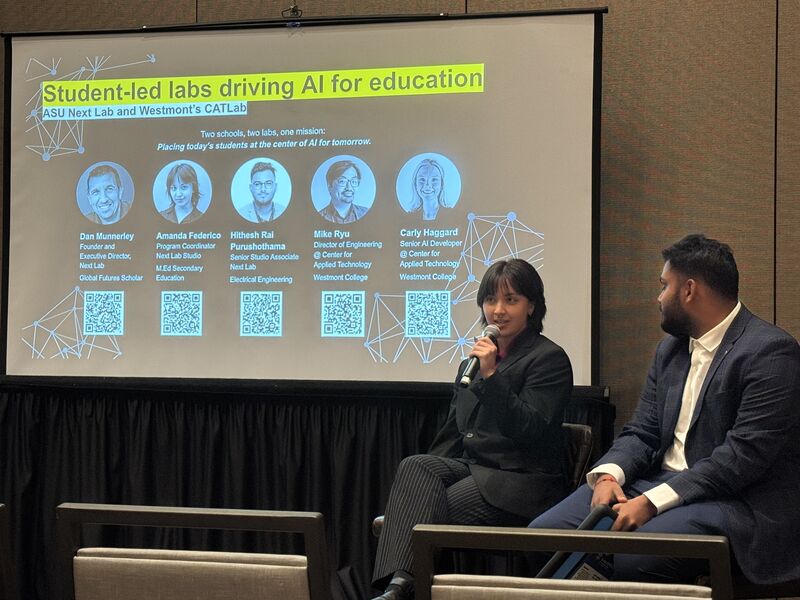
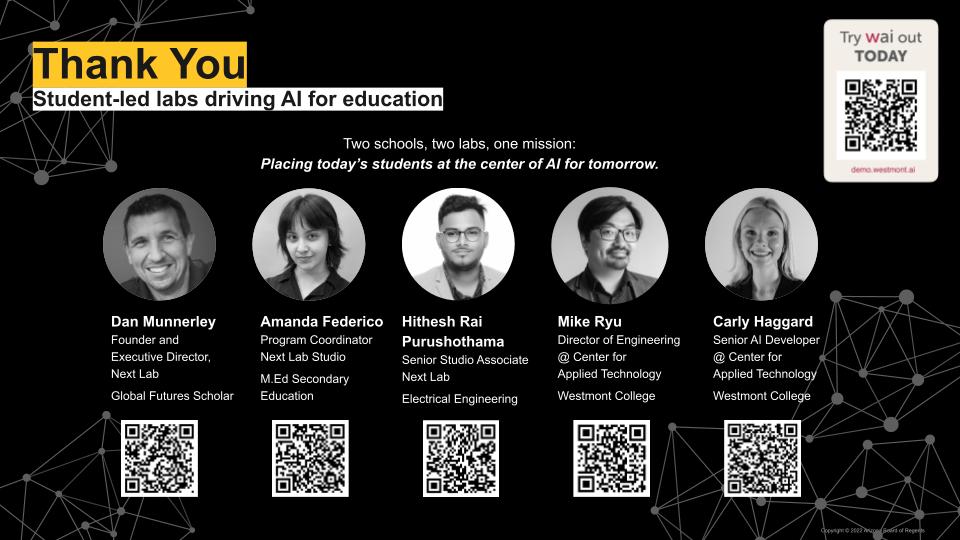
- Dan Munnerley – Founder and Executive Director, Next Lab; Global Futures Scholar, Arizona State University
- Amanda Federico – Program Coordinator, Next Lab Studio; M.Ed. Secondary Education
- Hithesh Rai Purushothama – Senior Studio Associate, Next Lab; Electrical Engineering
- Mike Ryu – Director of Engineering, Center for Applied Technology (CATLab), Westmont College
- Carly Haggard – Senior AI Developer, Center for Applied Technology (CATLab), Westmont College
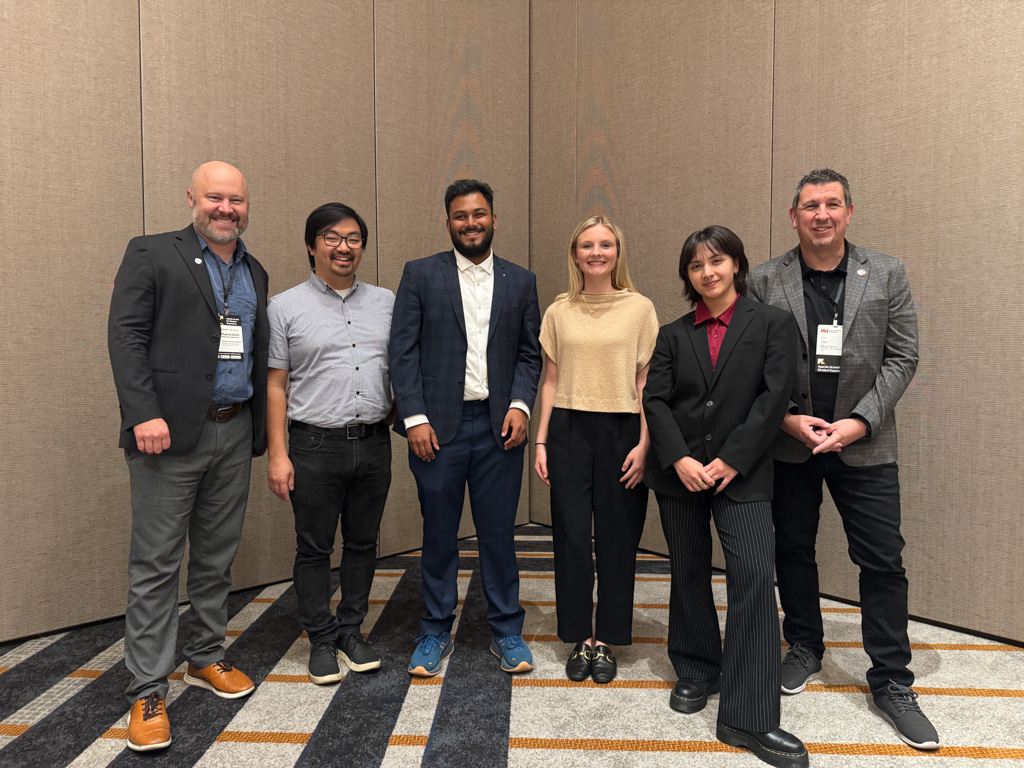
Two schools, two labs, one mission
Two schools, two labs, one mission: Placing today’s students at the center of AI for tomorrow.
This statement framed the session and appeared in both the opening and closing slides. It positioned Next Lab and CATLab as environments where students actively participate in designing, building, and deploying AI systems rather than only studying them.
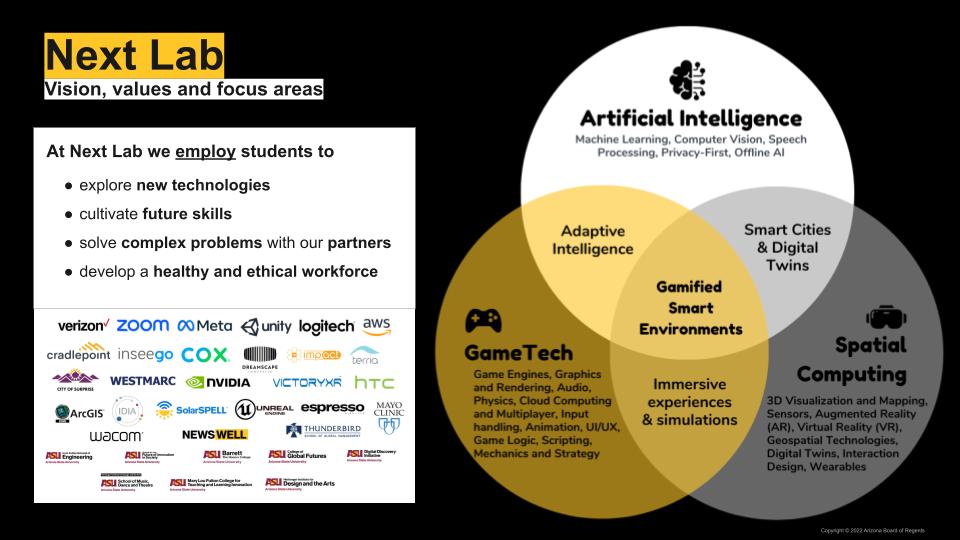
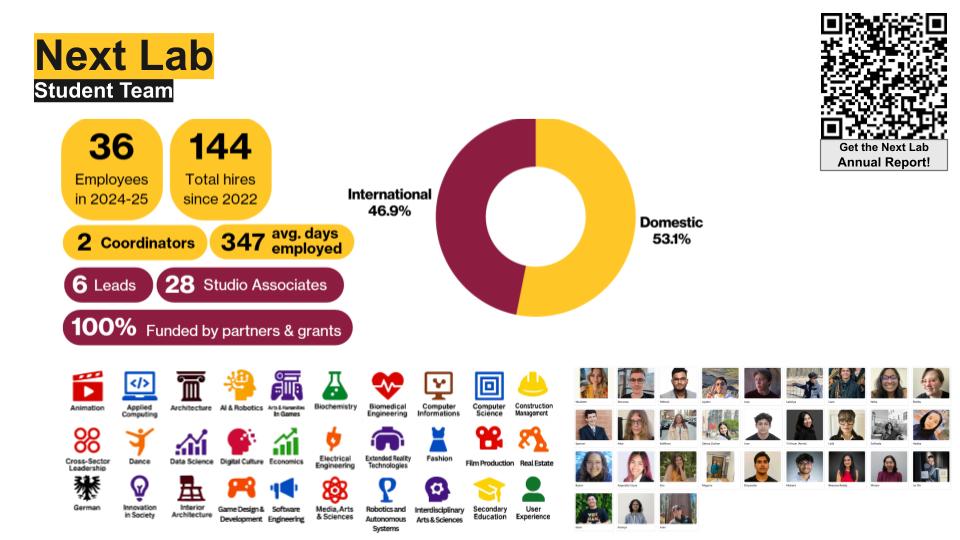
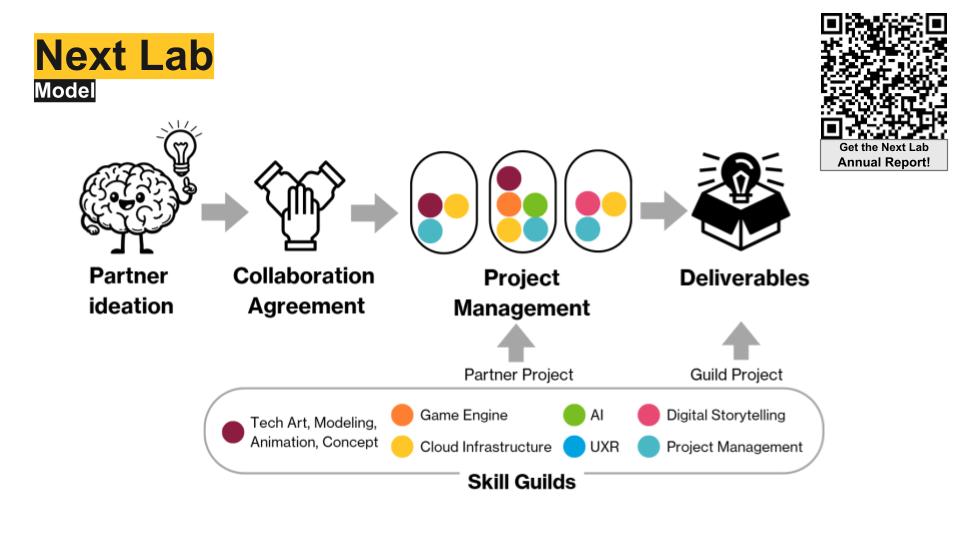
ASU Next Lab: student-led exploration of emerging technologies
Slides presented during the session outlined the Next Lab model at Arizona State University. The presentation described how Next Lab employs students to explore emerging technologies, develop future-ready skills, and work with partners to address complex challenges, with an emphasis on ethical practice and workforce development.
The offline divide and AI education
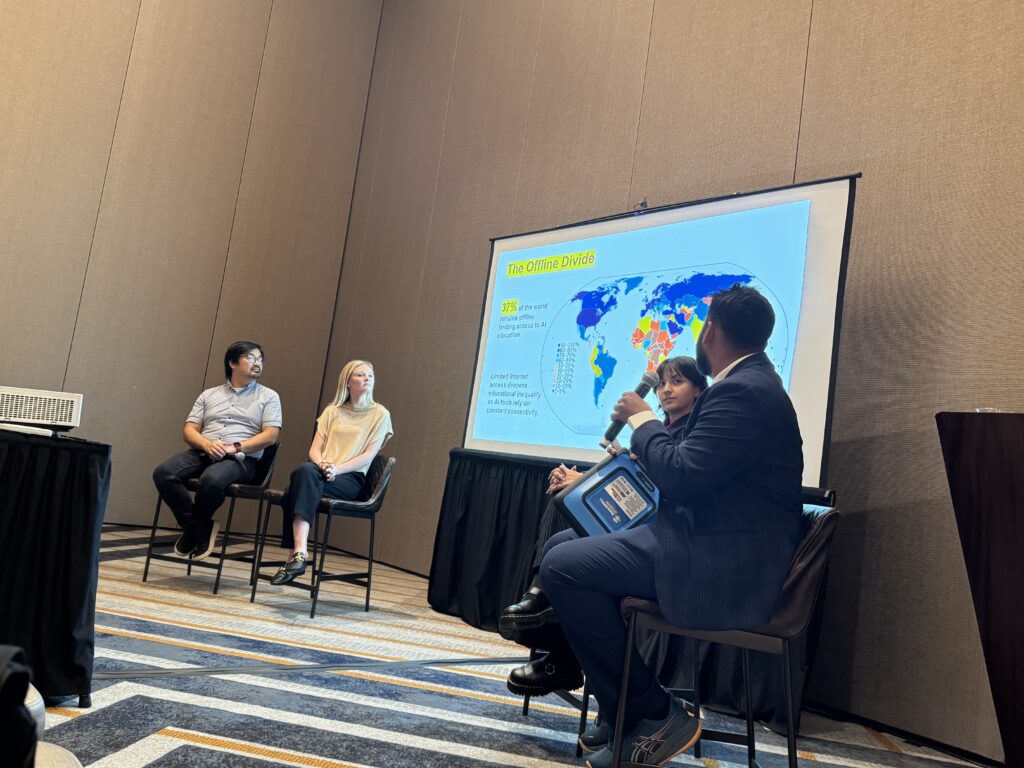
A section of the session addressed global access and infrastructure challenges that shape who can participate in AI-enabled education.
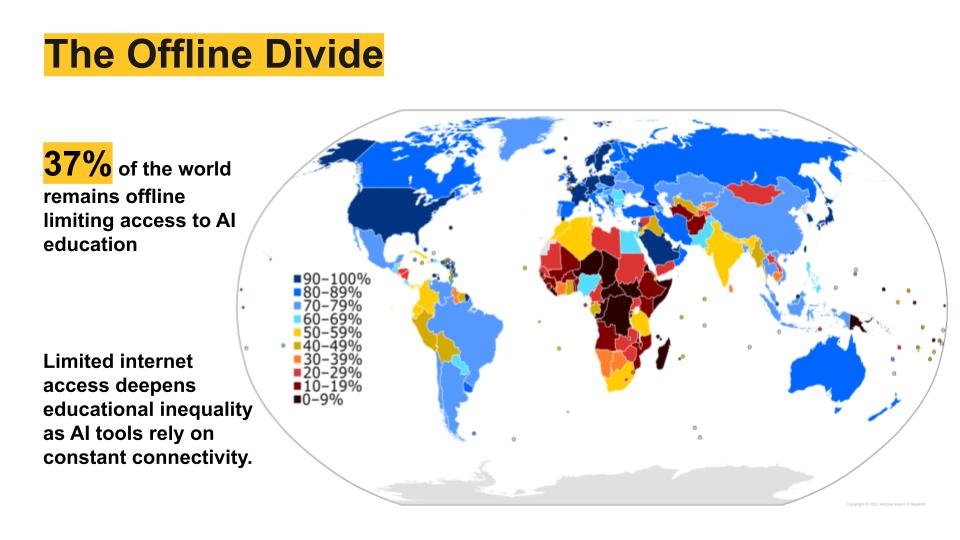
37% of the world remains offline, limiting access to AI education.
The presentation noted that limited internet access deepens educational inequality, particularly as many AI tools rely on continuous connectivity. A world map visualization accompanied this discussion.
Edge AI and offline-first systems
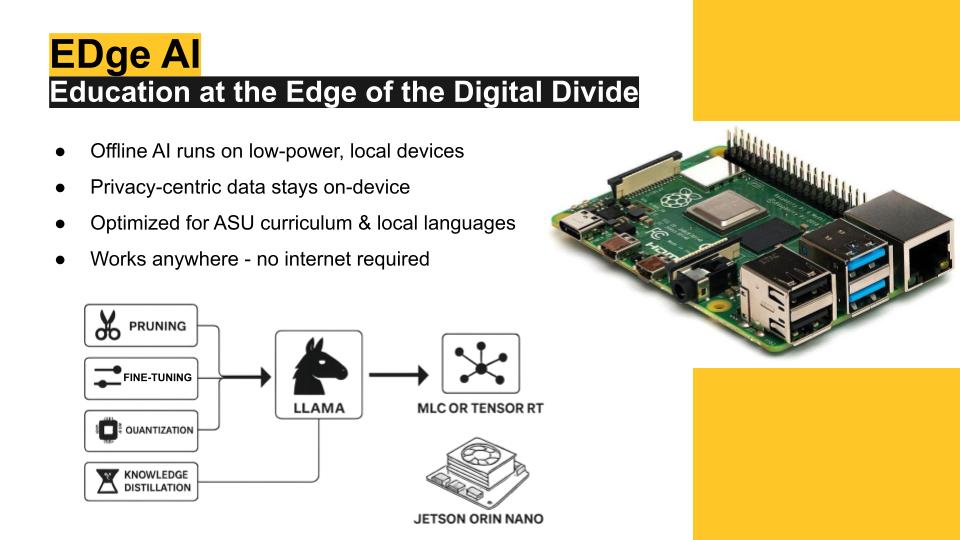
Building on the discussion of access, the session presented approaches to Edge AI designed to operate without constant internet connectivity. Slides described systems that run on low-power, local devices, keep data on-device for privacy, and can be tailored to curriculum, language, and local context.
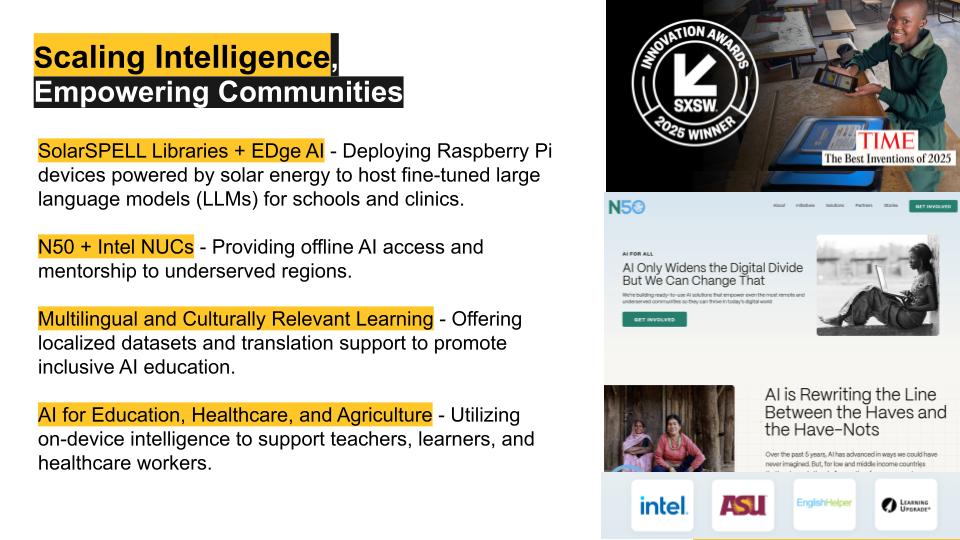
Examples referenced in the slides included SolarSPELL libraries combined with Edge AI using solar-powered Raspberry Pi devices, as well as Intel NUC and N50 hardware deployments. Use cases mentioned education, healthcare, and agriculture.
Westmont College CATLab and agentic AI development
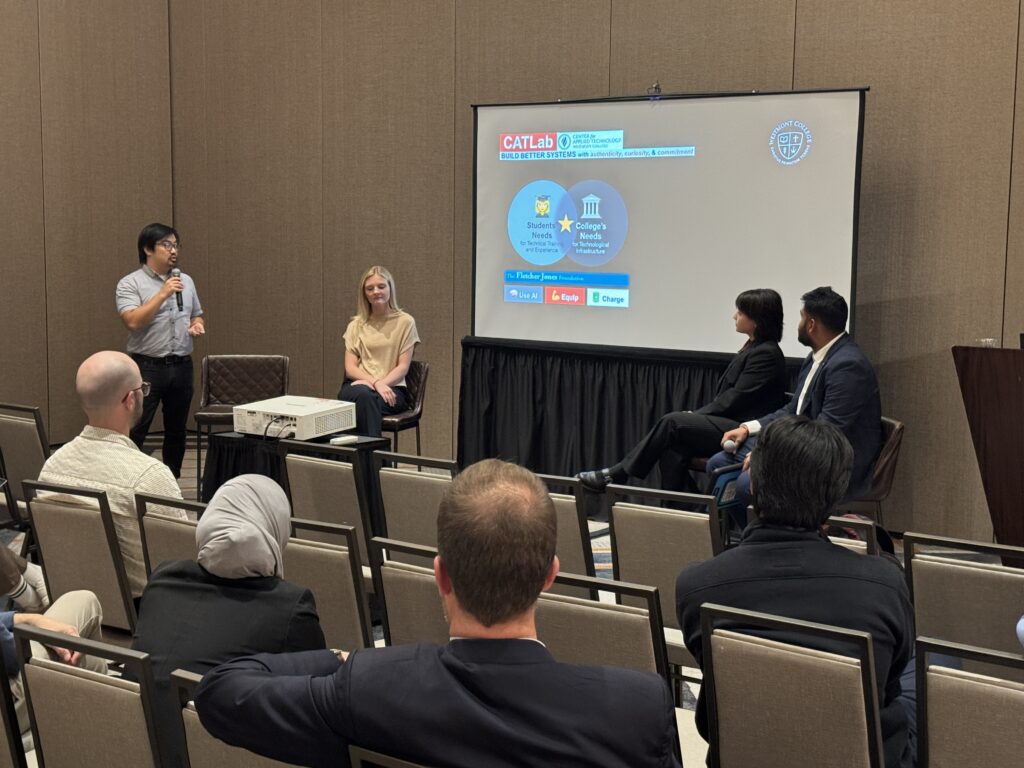
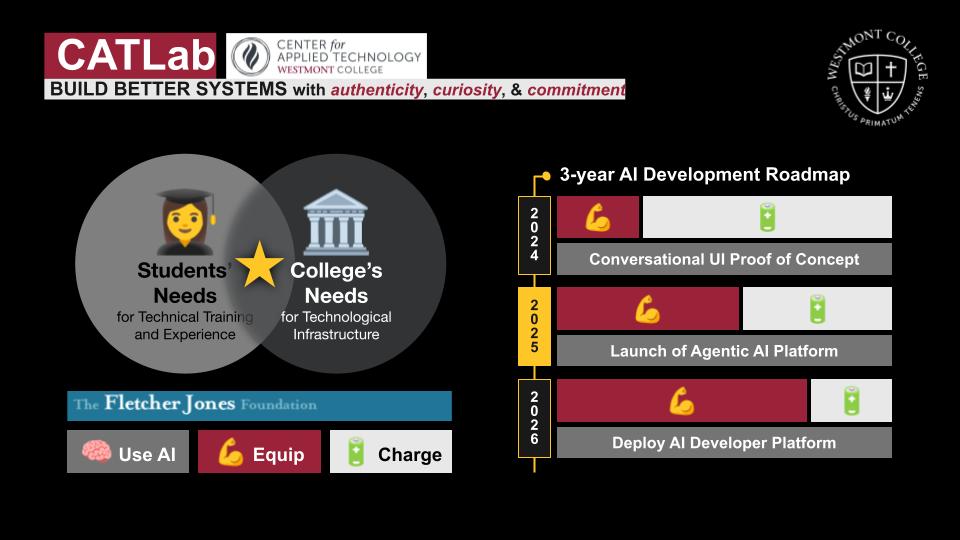
Build better systems with authenticity, curiosity, & commitment.
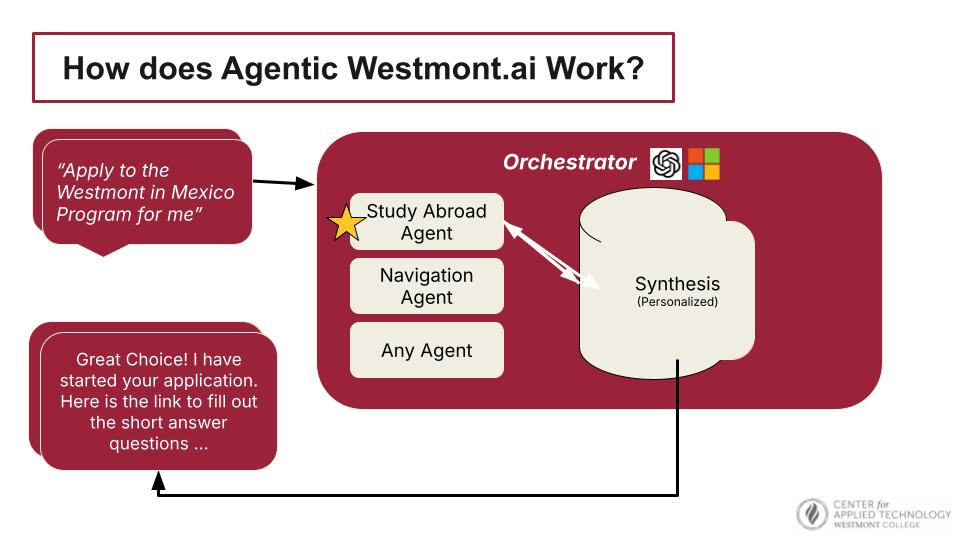
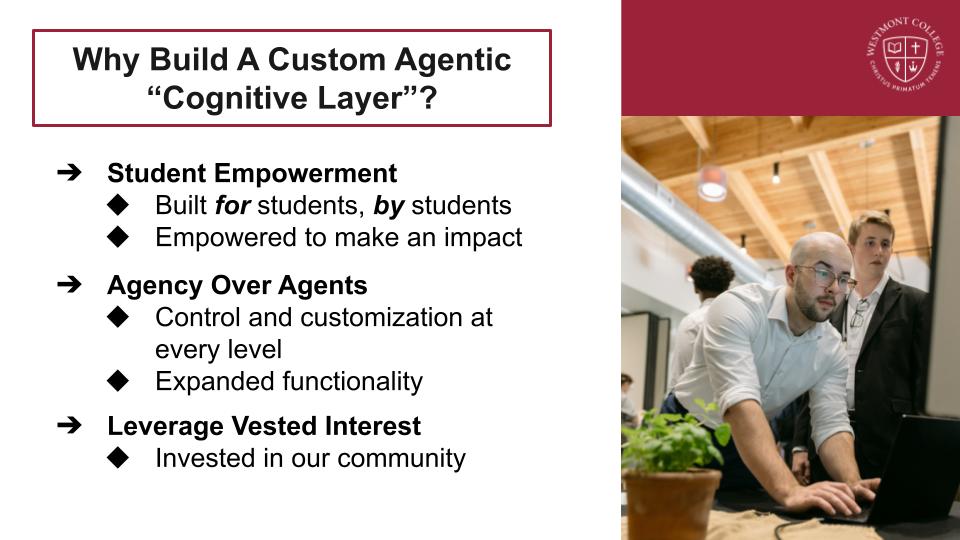
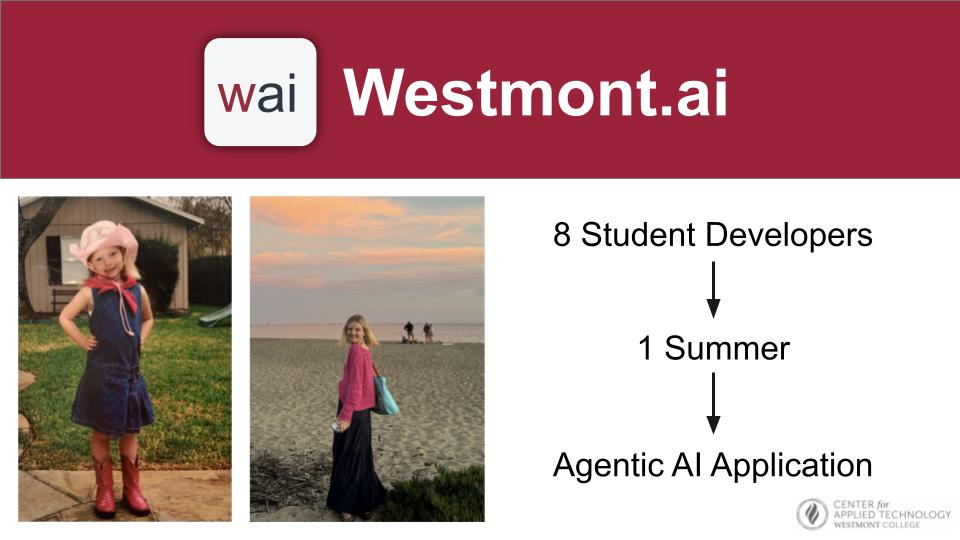
The session highlighted work from Westmont College’s Center for Applied Technology (CATLab). Slides outlined students’ needs for technical training and experience alongside institutional needs for technological infrastructure. The presentation then introduced a conversational UI proof of concept and the launch of Westmont.ai, an agentic AI platform developed by students.
The deck specified: 8 student developers, 1 summer, and an agentic AI application.
Key takeaways from the session
Both ASU Next Lab and Westmont’s CATLab continue to model how higher education can balance experimentation and responsibility — combining technical rigor with ethical imagination.
By linking learning, research, and design in real-world projects, these labs are preparing the next generation of technologists, educators, and changemakers to shape a more inclusive digital future.
- People-centered design over product-first innovation
- Accessibility and bringing AI to smaller communities
- Proof of concept: students can build functional, impactful AI systems when empowered
- Feasibility through repurposed hardware, cost efficiency, and system integrity
Learn more about ASU Next Lab: https://nextlab.asu.edu or the CATLab at Westmont




Comments are closed.