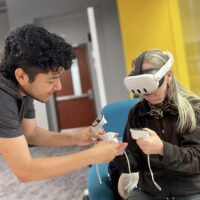
I attended the QS ImpACT Awards on 10 December 2024 at the Queen Elizabeth II Centre in London as a trustee of QS ImpACT and as a representative of Arizona State University. The event convened educators, researchers, students, and industry partners to examine the role of higher education in advancing the United Nations Sustainable Development Goals.

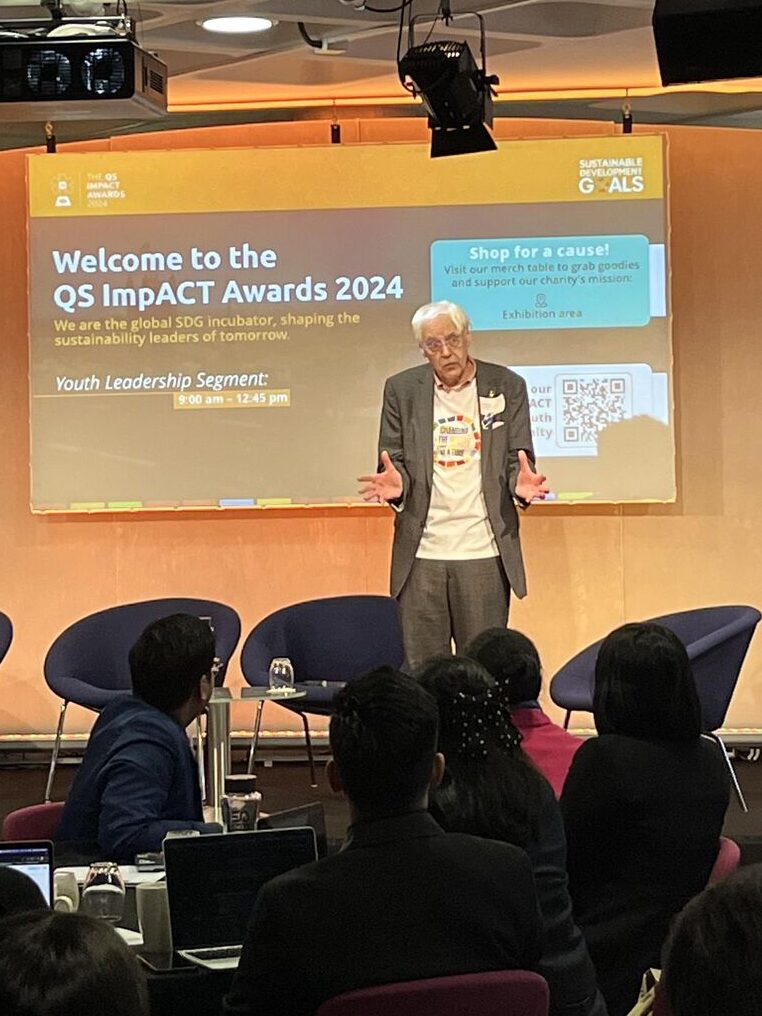
I arrived for the opening sessions where senior leaders framed the day’s objectives and outlined the institutional commitments required to scale impact across regions and disciplines. The opening remarks foregrounded collaboration and long-term accountability as necessary components for university-led contributions to the SDGs.


The youth panels and student presentations were central to the event. Over one thousand participants contributed to the QS ImpACT Skills Challenge. The Skills Challenge demonstrated how experiential formats can surface practical approaches to systems problems. Team Iqra from Iqra University in Pakistan won the Skills Challenge with an educational simulation titled SDG Metropolis. Their work exemplified how game-based design can scaffold learning about complex trade-offs in urban systems.
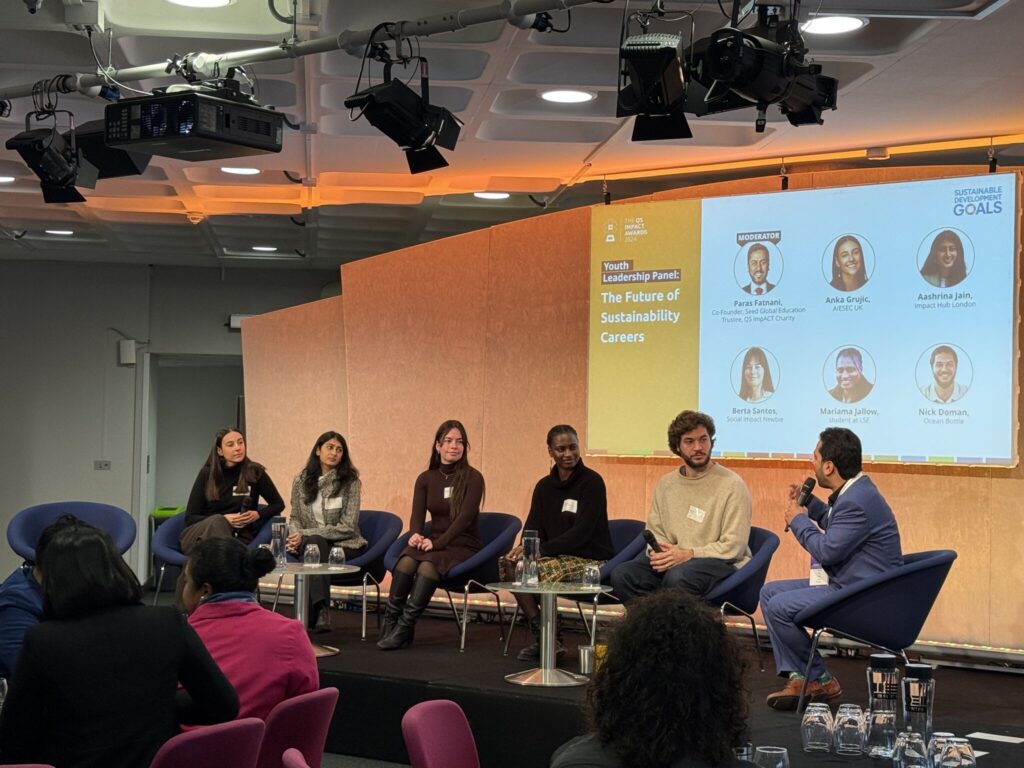
I participated in the session on advancing the SDGs through gamification with colleagues from ASU and partner institutions. The panel examined pedagogical design, evidence of learner outcomes, and the translation of simulation-based practice into measurable impact. The discussion emphasized rigorous design, iterative assessment, and alignment with institutional priorities.


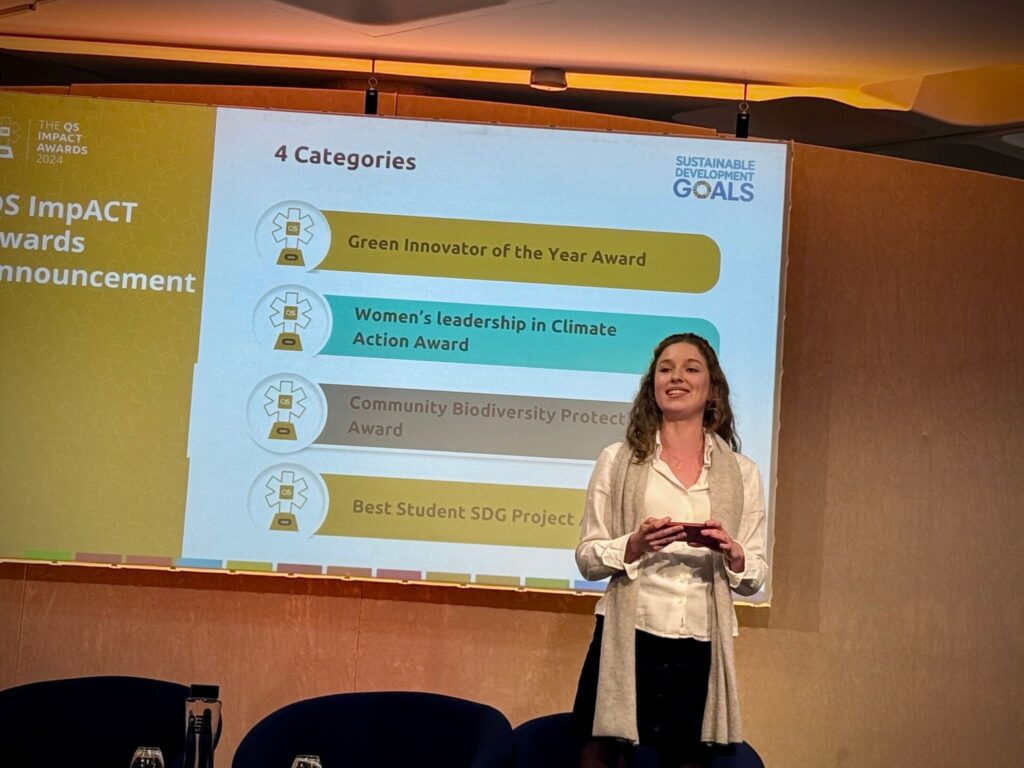
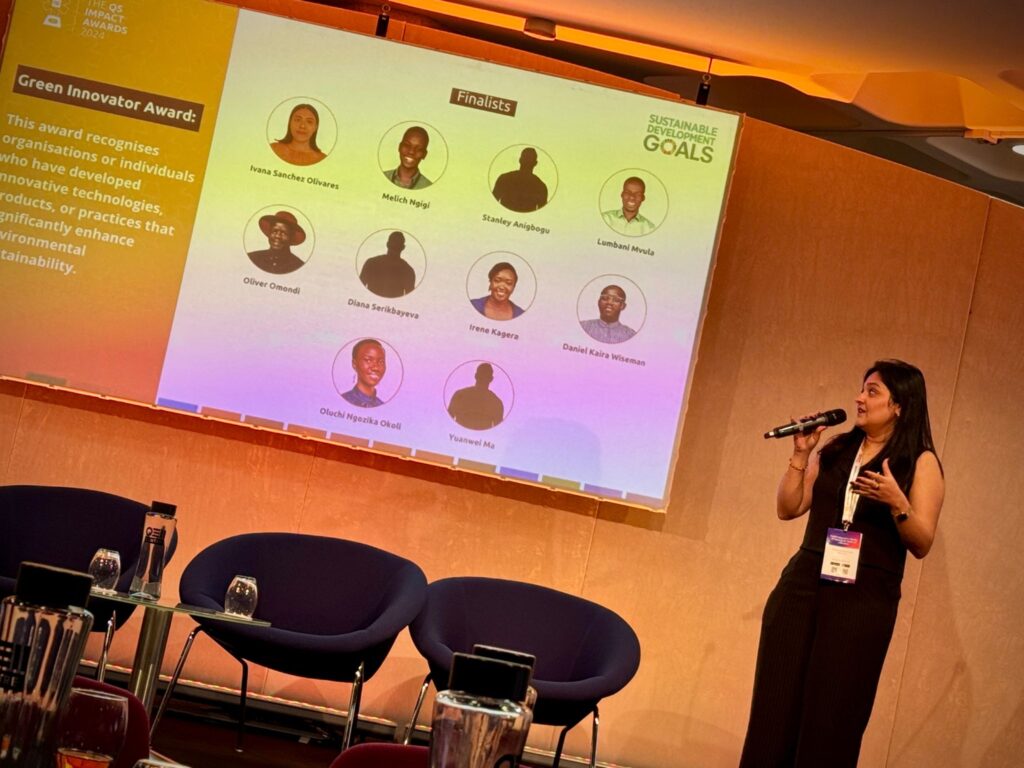
Awarded projects included those focused on green innovation, women’s leadership in climate action, biodiversity protection, and student SDG projects. The recognition dinner provided an opportunity to consolidate emerging partnerships and to reflect on how transnational networks can support sustained programmatic development.
The QS ImpACT Awards 2024 provided a productive forum for linking pedagogy, institutional strategy, and community-led action. As a trustee and an institutional representative, I returned with concrete examples of student-led innovation, clearer pathways for institutional collaboration, and renewed commitment to deploying learning design as a lever for sustainable development.